







Search Results for: Fruit Acidity
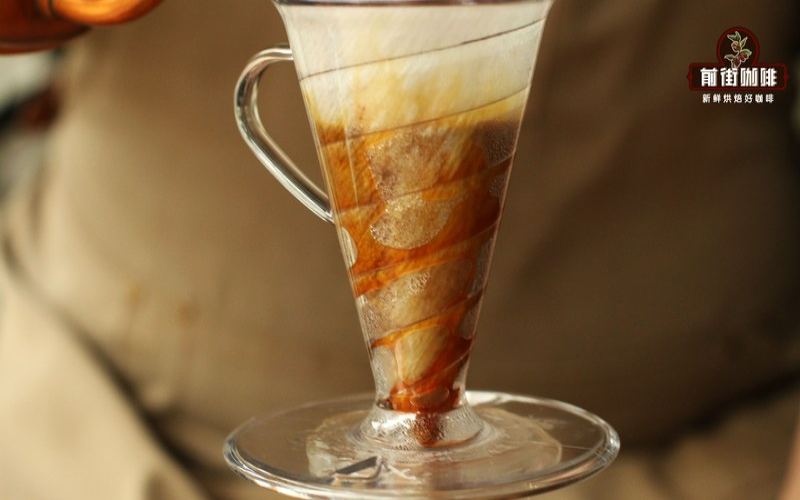
Roasting temperature differences for fruity coffee beans: how to choose by flavor
Fruity coffee beans don't express themselves in just one way. Even with the same fruit associations, a light roast may taste like freshly squeezed juice, with bright acidity and lifted aromatics; a medium roast tames the fruit acidity into a softer sweetness; and a medium-dark roast tucks the fruitiness into notes of caramel, cocoa, and ripe fruit. Choosing by roast level is more [more…]

Does a sour taste in single-origin coffee mean it's gone bad? Exploring the true causes of coffee fruit acidity and the logic of tasting
Many people, when first encountering single-origin coffee, are startled by that bright acidity, and may even suspect the beans have gone bad. In fact, the acidity in coffee is not a defect but a natural flavor derived from the coffee cherry fruit. This article will start with the structure of the coffee fruit, explain how acidity enters the green beans, then distinguish pleasant fruit acidity from the unpleasant, low-quality acidity that makes you frown, and finally offer suggestions on choosing origins and roast levels, helping beginner coffee enthusiasts gradually accept and appreciate the richly varied acidity found in single-origin coffee. [more…]
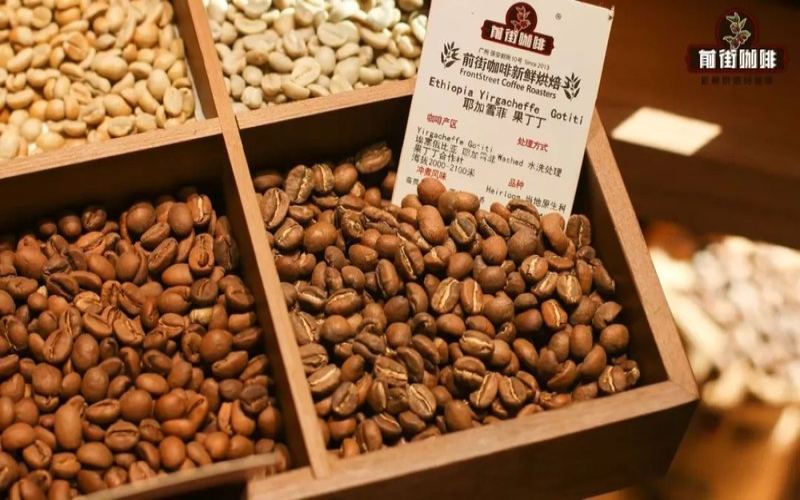
Tropical Fruit Coffee Beans: Roast Level Determines the Direction of Fruit Aromas
If you want to taste tropical fruit notes, the roast level is a very useful screening clue. Light roasts tend to retain more floral aromas, citrus acidity, and juicy character, coming across as bright and light on the palate; as the roast progresses toward the medium range, sweetness, body, and ripe fruit notes become more prominent. When buying, first look at the roast label, then combine it with whether you prefer a refreshing or a full-bodied taste. [more…]
Is the sour taste in single-origin coffee a sign that it has gone bad? An analysis of the natural causes of coffee acidity and flavor classification.
Many people are startled by that hint of acidity the first time they try single-origin coffee, instinctively assuming the coffee has gone bad or spoiled. In fact, the coffee fruit is originally just like a cherry, and the natural sweet-and-sour flavor of its pulp influences the green beans during cultivation. Acidity is not a defect but a natural characteristic of specialty coffee. Of course, acidity has its good and bad sides: pleasant fruity acidity can add layers of complexity, while unpleasant acidity can ruin an entire cup. This article starts with the structure of the coffee cherry, explains where acidity comes from, distinguishes delicious acidity from rancid acidity, and offers beginners who are not used to acidity advice on choosing origins and roast levels, while also recommending several low-acid beans from the Front Street brand. [more…]
Flavor Characteristics of Major Coffee Regions Around the World: A Guide to Tasting Profiles and Mouthfeel from Africa to the Americas
Even different plots within the same estate can produce coffees with distinct flavors, let alone major regions spanning continents. The three great specialty coffee belts—Asia, Africa, and Central & South America—nurture vastly different flavor profile characteristics due to terroir differences: Ethiopia's floral and citrus notes, Indonesia's rich herbal undertones, and Central America's balanced chocolate character, each with its own following. Before deciding to put a coffee on the shelf, Front Street Coffee repeatedly roasts and cups samples from each region, selecting the most representative lots before recommending them to consumers. This article systematically organizes the flavor characteristics and taste descriptions of major coffee-producing countries worldwide, covering Ethiopia and Kenya in Africa; Indonesia and India in Asia; Guatemala, Costa Rica, and Panama in Central America; and Colombia and Brazil in South America, providing coffee lovers with a complete flavor profile reference. [more…]
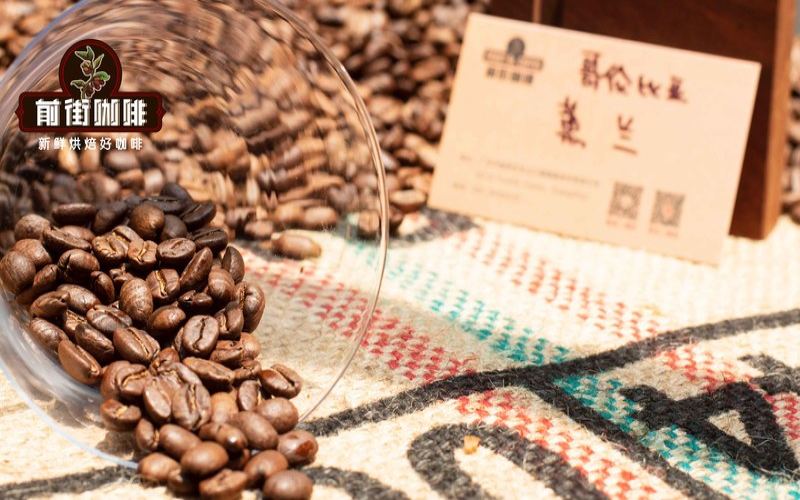
Berry-scented coffee beans, choose your roast level like this
If you want coffee beans with a pronounced berry flavor, start by looking at the roast level, then compare origin and processing method. Light roasts are more likely to retain bright aromas like strawberry, blueberry, and red berry, with a sweetness reminiscent of fresh fruit flesh; medium roasts rein in the acidity and develop notes of fruit jam, smoked plum, or brown sugar; medium-dark roasts let the berry notes blend with cocoa and cara- [more…]
How to Choose Coffee Beans with Tropical Fruit Flavors: From Light Roast to Medium-Dark Roast
Tropical fruit flavors are commonly associated with notes like mango, passion fruit, pineapple, guava, and ripe berries. They smell bright and lively, and on the palate they easily bring out a juicy, sweet-tart quality. However, even when a coffee is described as fruity, different roast levels can make what’s in the cup shift from crisp fresh fruit to soft fruit jam. If you want to taste a particular kind of fruitiness, you can start with [more…]
Choosing fruity coffee beans by roast level: how to choose between light, medium, and dark roasts
Fruity coffee beans aren't just about "tasting as sour as fruit"—they can also present floral aromas, a jam-like quality, juice-like body, or a delicate sweetness reminiscent of black tea. The roast level determines where these notes sit in the cup: roast light, and the fruity aromas move to the forefront; roast dark, and the fruity character blends into caramel, cocoa, and roasted notes, while the mouthfeel becomes more [more…]
How to Describe Coffee Flavors? A Comprehensive Analysis of Flavor Characteristics of Major Coffee-Producing Countries and Regions Worldwide
Even coffee from different plots within the same estate can vary in flavor, let alone regions spanning different countries. The three major specialty coffee regions—Asia, Africa, and the Americas—each display distinctly different regional characteristics due to their unique terroir. Ethiopia's floral and citrus notes and the rich, full-bodied character of Asian coffees each have their own following. When recommending single-origin beans to customers, Front Street Coffee matches them based on taste preferences—those who prefer acidity can choose Front Street Kenya Small Tomato or Front Street Yirgacheffe, while those who enjoy a full-bodied cup can try Front Street Jamaica Blue Mountain or Front Street Golden Mandheling. Front Street currently offers more than 200 specialty coffee beans, and every bean has undergone repeated roasting tests and cupping screenings, only being recommended to consumers after confirming it is representative of its region. The following content is a coffee flavor guide compiled by Front Street after multiple rounds of roasting and cupping of common coffee regions around the world. [more…]
Pour-Over Coffee Bean Fruity Acidity Flavor Guide: How Light-Medium Roasts Present Floral and Fruity Notes, with Variety Recommendations
From light to dark roasting, coffee beans can undergo a dramatic flavor transformation within just a few minutes and a temperature difference of about 10°C. Light roasting preserves more organic acids, resulting in bright acidity and rich aromatic layers; medium roasting achieves more thorough caramelization, lowering acidity and enhancing sweetness. If you want to enjoy alluring floral and fruity notes, it is recommended to prioritize light to medium roasts and choose varieties based on flavor descriptions. This article reviews how different roast levels affect acidity and aroma, and recommends five representative Front Street Coffee pour-over beans: Fruit Ding Ding, Kenya Little Tomato, Strawberry Candy, Colombia Big Belly Button, and Flower Butterfly, corresponding to flavors such as citrus and floral, berry and cherry tomato, raisin gummy, passion fruit and blueberry, and citrus honey pomelo tea, helping coffee lovers make precise purchases according to their preferences. [more…]
Coffee Taste and Mouthfeel | Are All Black Coffees Bitter? Recommended Beginner-Friendly Pour-Over Single-Origin Beans with Balanced Sweetness and Acidity and Prominent Fruit Notes
Many people think that coffee must be bitter, and that a good black coffee needs milk and sugar added, but coffee actually has many different flavors that make it not only not bitter but also full of various aromas and tastes. Today Front Street Coffee has brought a few coffee beans with balanced acidity and sweetness and outstanding flavors for everyone to choose from.1 [more…]
The Roasting Code of Sweet Americano: From Bright Light to Mellow Depth
Even with black coffee, the roast level of the beans pushes sweetness in different directions. A light roast is more like fresh fruit, bright and lively on the palate, suited to those who enjoy a crisp taste; a medium roast brings out syrupy, ripe-fruit and tea notes, rounder overall; a medium-dark roast relies on cocoa, nut and caramel-like aromas to build body. To make a sweet americano, you can [more…]
A Detailed Guide to the World's Top Ten Coffee Brands: From Geisha to Kilimanjaro—Origins, Flavors, and Processing Methods
There are numerous coffee varieties worldwide, and differences in origin, variety, and processing method give each bean its own unique flavor expression. Washed processing brings bright acidity and a clean mouthfeel, natural processing presents tropical fruit and fermented aromas, and honey processing offers a balanced sweet-and-tart profile reminiscent of wine and dried fruit. This article takes the world's three major producing regions as its framework and, one by one, sorts through ten representative coffees—Panama Geisha, Jamaica Blue Mountain, Indonesia Mandheling, Ethiopia Yirgacheffe, Kenya K72, Costa Rica honey-processed, Brazil Yellow Bourbon, Guatemala, Papua New Guinea, and Tanzania Kilimanjaro—combining Front Street Coffee's bean selection and brewing suggestions to provide coffee enthusiasts with a flavor reference that balances professionalism and practicality. [more…]
How to Choose Light-Roast Floral Coffee Beans: From Bright Fruit to Gentle Tea Notes
The charm of light-roast coffee beans often reveals itself the moment you open the package and pour in hot water. Aromas of petals, citrus, berries, or tropical fruit come through vividly, the acidity is bright on the palate, and a light, sweet finish lingers after you swallow. It suits those who enjoy black coffee, pour-over, and iced drinks, and is equally suited to those who treat coffee as a relaxing afternoon beverage, savoring it slowly. [more…]
Is light roast coffee necessarily sour? Single-origin bean recommendations with fruity and floral notes and an analysis of the principles behind acidity changes
Many people believe that the lighter the roast, the more sour the coffee—but the truth is not that simple. The acidity in coffee comes from substances such as malic acid and citric acid that already exist in the green beans, and these are continuously generated and broken down during roasting. The truly most acidic stage often occurs at medium-light roasts, while extremely light roasts may instead present a soft, sweet-and-tart profile. This article begins with the principles of how acidity changes, and, combined with a comparative cupping of a Front Street Coffee Papua New Guinea washed Typica, explains the relationship between roast level and perceived acidity. It also recommends five coffees that naturally carry floral and fruity notes, including Front Street Coffee Fruit Ding Ding, Kenya Little Tomato, Strawberry Candy, Colombia Big Belly Button, and Flower Butterfly, to help acidity lovers find their ideal flavor. [more…]

How to Choose a Medium-Light Roast Yirgacheffe: Floral Notes, Fruit Acidity, and Brewing Tips
A light-to-medium roast Yirgacheffe typically places bright floral aromas, citrus acidity, and a light tea-like body at the center of the cup. It doesn't rely on the heavy bitterness brought by dark roasting to assert its presence; instead, it uses fresh aromas and delicate sweetness to create layers, making it suitable for drinking alone in the morning, for afternoon reading, and for those who want to start developing their palate with black coffee. [more…]
Balanced Sweet and Acidic Beans: A Coffee Experience Like Fruit Juice
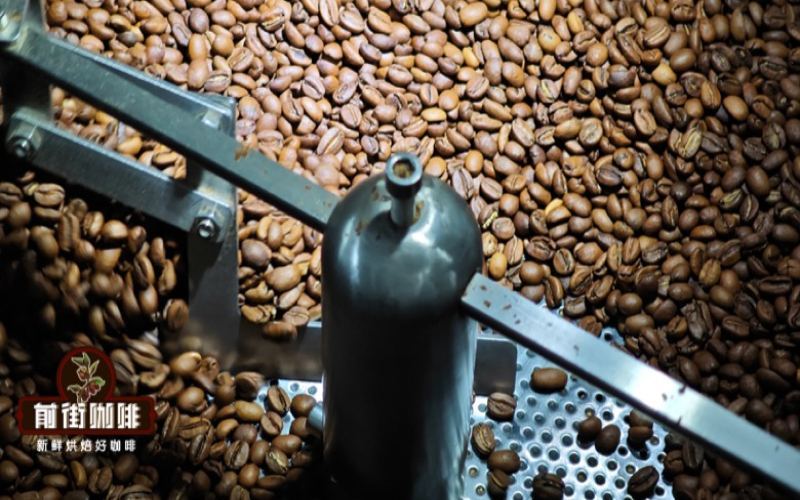
A bean with balanced acidity and sweetness tastes like "juice but with coffee flavor": the acidity isn't sharp, the sweetness isn't cloying, and the two interlock just right. Front Street Coffee's Ethiopian Huakui is the model of this balance—the tropical fruit acidity is held up by the passion fruit sweetness, and the first sip is a lively juice-like sensation; Kenya's Little Tomato, meanwhile, is the dark plum acidity plus yellow [more…]
Light Roast Pour-Over Coffee Parameters | How to Brew Yirgacheffe So It's Not Too Sour? Recommended Specialty Pour-Over Single-Origin Beans with Rich Fruit Flavor and Bright Acidity
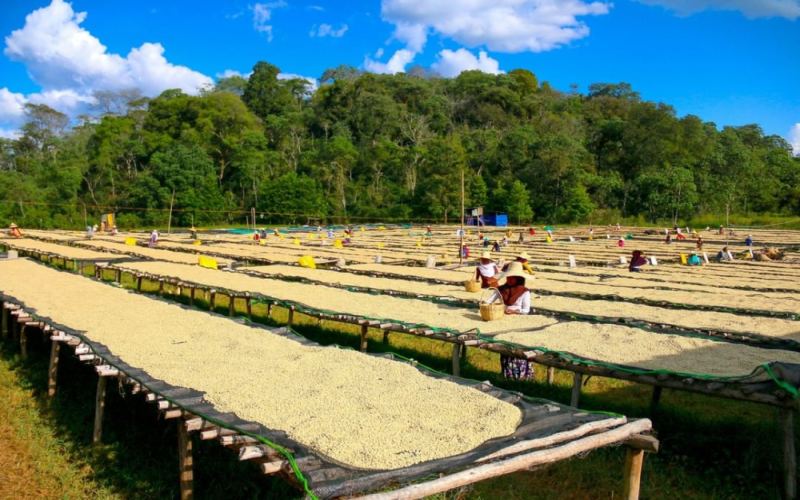
When it comes to African coffee, many people first think of Ethiopia, the birthplace of coffee. Citrus, citric acidity, jasmine, ripe strawberry, tropical fruit, berries, and honey are all flavor descriptors often used for Ethiopian coffee beans. Among them, Yirgacheffe is the most famous, and Yirgacheffe flavor is precisely [more…]
A Guide to Ten Entry-Level Specialty Coffee Beans: A Complete Analysis of Flavor Characteristics and Regional Representatives
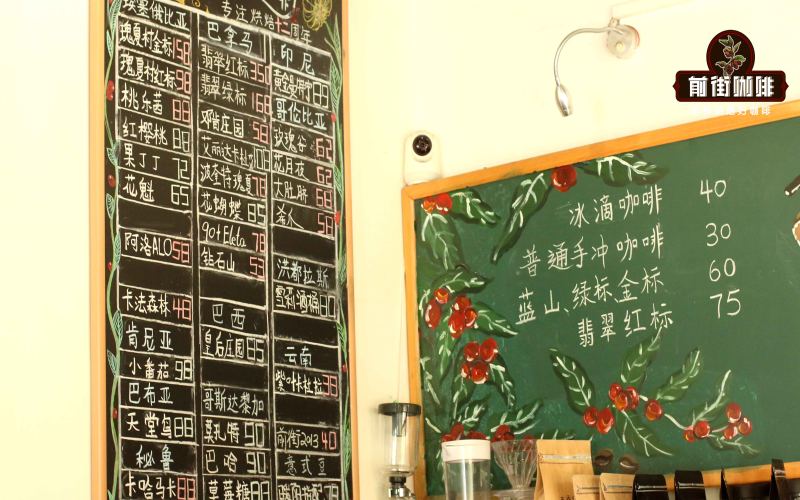
Faced with a bewildering variety of coffee beans, those new to specialty coffee often don't know where to start. Front Street Coffee's stores carry more than fifty beans, and the question I'm asked most often is what beans a beginner should choose. This article uses ten representative coffee-producing countries as a thread, sorting out the flavor characteristics and mouthfeel tendencies of each region's coffee beans one by one, covering dimensions such as acidity, sweetness, body, and aftertaste, and listing one representative Front Street product for each region along with its brewing performance. Whether you prefer bright citrus acidity, rich nutty-chocolate notes, or lush floral and winey aromas, you'll find the cup that suits your taste below. The following are listed in no particular order. [more…]
Choosing Americano coffee beans with prominent sweetness by roast level
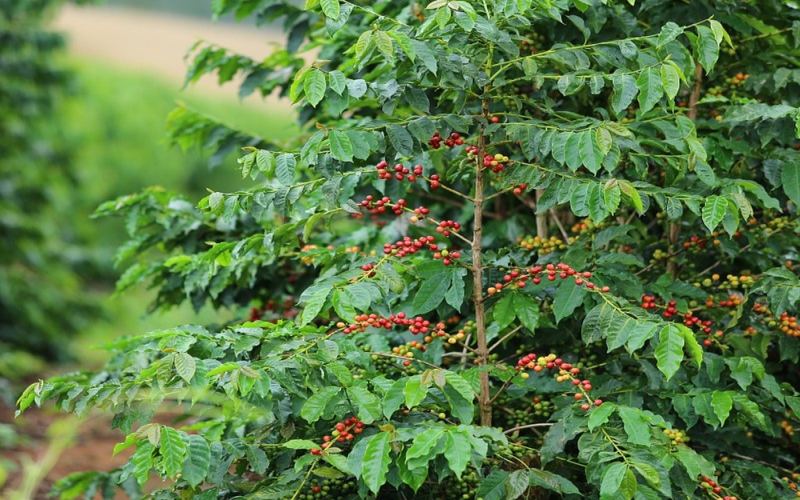
If you want a noticeably sweet Americano, the roast level of the coffee beans directly shifts the balance in the cup. Light roasts tend to show fruit, florals, and bright acidity, feeling crisp and lively in an iced Americano; medium roasts balance caramel, ripe fruit, and tea-like notes, going down smoothly whether hot or over ice; medium-dark or dark roasts bring cocoa, nuts, and a roasty sweetness. [more…]